
A birder friend asked me what the best bird I’ve ever seen and that’s a deceptively hard question. I said I'll give it some thought, usually I split it into two categories: birds I’ve photographed, and birds I’ve only ever seen once. Some of the most special birds I’ve encountered were one-off moments and I never got a photo. So for me it really comes down to the birds I’ve photographed (even if it isn’t rare)
below some of my favorite birds Photographed in no particular order
 |
| Gannet with Air brakes out |
 |
| kagu New Caledonia |
North of New Zealand lies an island with a teeming rainforest that every dawn is drowned out by the haunting 15-minute long song of the kagu. This bird is found only in the flora and fauna-filled New Caledonia. The isolation of this South Pacific island has created many unique features of nature, and the kagu has several. Kagu, or cagou, are about the size of a chicken and have brilliant red eyes, long orange legs and bill, bluish-grey feathers, and 'nasal corns’. These structures cover its nostrils and are not found in any other bird species. It's thought that they evolved to prevent dirt and other particles from entering the nasal cavity since the Kagu is also flightless and spends its time on the forest floor.
 |
| Inaccessible flightless Rail Inaccessible Island |
The Island is called inaccessible because it is. It’s almost impossible to land on the narrow beach most attempts fail and the cliffs are so steep that the top is inaccessible.
If you’ve ever gone looking for rails, you know they are usually differcult to see. They live in dense marsh grass and won’t come out for anything except the sound of another rail and then only in the breeding season.
But there is in fact a truly inaccessible rail. The Inaccessible flightless rail (Atlantisia Rogersi) is the smallest flightless bird in the world, extremely rare, and vulnerable to extinction. He lives only on Inaccessible Island
This was a surprise because the island, which is in the Tristan de Cunha archipelago, is closer to Africa than to South America as shown below.

DNA studies show that his ancestors, related to black rails, did fly more than 2,300 miles from South America over the South Atlantic Ocean to Inaccessible Island. They arrived 1.5 million years ago.

 |
| Spectacled Petrel South Atlantic |
 |
| Golden Oriole Spain |
 |
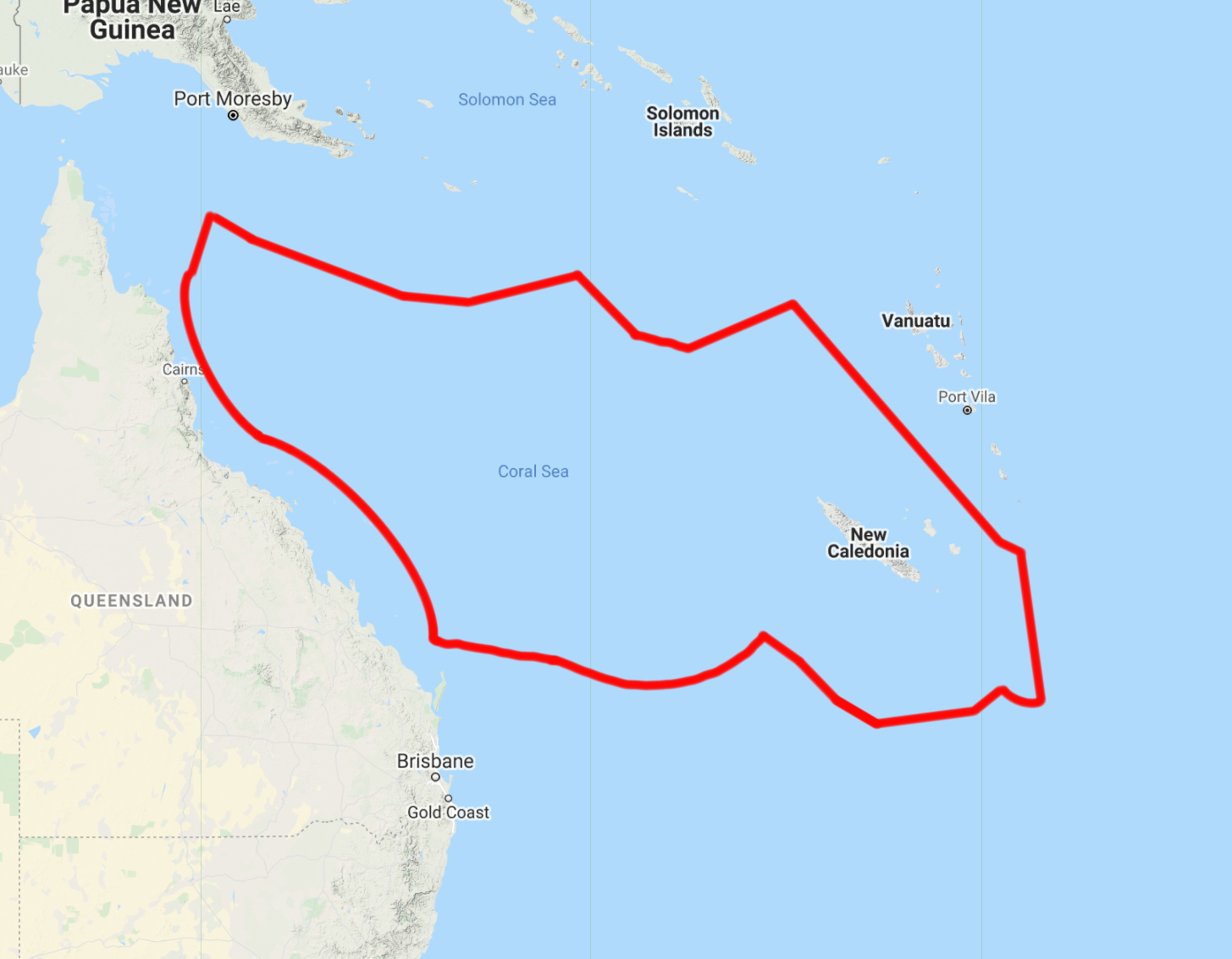
| Vanuatu Petrel Off Chichijima, Bonin Islands, Tokyo.  |
 |
| Gould's Petrel South Atlantic |
 |
| Kergalen Petrel Gough island Southern Oceans |
 |
| Violet Turaco Gambia |
.png) |
| Rainbow Pitta Northern Rain forest Australia |
 |
| European Roller Spain |
 |
| Long tailed Superb Starling Gambia |

 |
| Black footed Albatross North Pacific Ocean close to Japan |
.png) |
| New Zealand storm Petrel Thought to be extinct since 1850 till I got this photo and others. Little Barrier Auckland |
.tif) |
| Fea's Petrel At Sea |
.jpg) |
| Red backed Fairly Wren |
.png) |
| Superb Fairy Wren Australia |
.jpg) |
| Major Mitchell's pink Cockatoo NSW Australia |
| So this little exercise in finding a few photos turn in to a nightmare, normally it's all backed up on multiple external hard drives, but on exploring the hard drive, 4 of the 1TB drives had died, they do go back in time a long way, maybe they'd fail as they've hardly get connected for use, just for back up, So inevitably I've lost some trips photos which can't be replaced, not a good day. Make memory's Go Birding Fave fun go |
Great read, as always, Bryan. And stunning photos, obviously. Glad to see that you are keeping well and still having memorable adventures. All the best, Daniel Newton.
ReplyDelete