Sunday, August 19, 2018

More Departures then Arrivals

Energized by some recent report I thought we might see a few more returning migrants?

John and I left Gran Alacant @ 6.15.  A crazy time to go birding it not even light I know.   But undaunted we set off.  More chance of seeing Jupiter and its Moons? "  I thought to my self at this time of day"  but if you want to see birds you gotta start early.  The temperature  was a cool 23 degrees,
 and threatening a little rain, all set for a bumper birding day?

And today's target anything with feathers.
Soon on the Motorway to Bonete, a quick coffee at the other end, and ready to go.  Taking a track off to the left to the smelly Stinky Pig Farm.  This stop was a good decision.  Juv Woodchat Shrike, loads of Corn Buntings,  Northern Wheatear, Tree Sparrow, Common Buzzard, Chiff Chaff,  Serin, "not a bad start"

On to the Estacion.  John has now officially renamed it Bustard Corner, as it always performs and today was no exception at least 20+ Great Bustards, Male Marsh Harrier, 5 Pin-tailed Sandgrouse, Common kestrel,  more Buzzards, Southern Grey Shrike, Bee-eaters on the power wires.


  After a cup of tea, we took to the main road to Higueruela, checking the stubble fields on either side of the road which looked promising but nothing.


 'El Pastor greeted us and looked a bit puzzled, waved and then went on his way with his herd of Sheep and Sheepdog.


A quick stop at some pines got us a Golden Oriel, Black Wheatear,  Mistle Thrush, and Treecreeper.  Gone are the Bonnell's Warblers.

On route to Petrola.  A raptor came into view over the road, a quick look at it, I said "Stop its a Red Kite"  Emergency stop jumped out the car grabbed a few photos as it drifted away into the light, it wasn't till I check the images I realised it was a Black Kite,


 A 2nd Woodchat Shrike on the wires.
I always like to check out the Lakes and Plains of Petrola.  You can't dismiss this area as it can hold some great birds, but not today, Petrola lake was stinking.  The water looked oily thick, blacken cracked dry margins.  A perfect reflection on its surface of the far side, it looks idyllic.
 But No!


Hardly any birds except for about 60 Greater Flamingos and few distant Marsh Harriers, and 3 Black-winged Stilts,  Fan-tailed Warblers calling.   The Stink was so bad it made me feel unwell, with lots of nuisance flies.

 I couldn't wait to leave, as I sat back into the car to leave, 2 Black-bellied Sandgrouse flew over calling (bonus birds)
probably best to void this place till some heavy rain arrives and freshens it up a bit.
 Gone are all the Gull-billed Terns and the hundreds of Black-headed Gulls, Great reed warblers and Yellow Wagtails. I didn't see any other waders of any kind, and also no Swifts anywhere today.
 Interestingly there was not one  Juv Greater Flamingo seen, even though they have bred very successfully in there hundreds this year at Petrola.

Through Corral Rubio, and onto the Montealegre Road we bumping into a few more Bee-eaters and a very nice perched Short-toed Eagle.


Carrying on to the  Laguna del Saladar this place got found by a sat nav error. I am glad it did because there are good numbers of birds there and the water is in a healthy condition.


 There's a large concentration of waterfowl, good number of Greater Flamingos, more than 30+ White-headed Duck, 12+ Lapwing,  lots of Common Pochard, Red-crested Pochard, lots of Mallard, Water Rail x 2,  a few, Kentish Plover, Black-headed Gulls, Black-necked Grebe, Little Grebe, lots of Coot and Moor Hen. A few Bee-eaters taking dragonflies over the water.

I am hoping  Laguna del Saladar come next spring migration will have Garganey and Ferruginous Ducks taking advantage of it.
 all looks perfect for them.

Nice end to the day,😊 

Sunday, August 12, 2018

First Autumn Migrants Return

 It's only just mid-August, but there's is the smallest sign of a migration beginning, Big departures and Arrivals. And so this morning  John and I set off at first light. The weather was overcast with a few spots of light rain and a fresh breeze which was very refreshing from the incredibly hot weather we've had. I've noticed less Pallid Swifts recently, and gatherings of Bee-eaters, lots of calling from family groups high up in the sky. I think they could be already on the move back south?


Our first stop today, to check Santa Pola Salinas, lots of noisy Terns. Little Tern very active, Common Tern,  Sandwich Tern, Whiskered Tern, Sender billed Gulls were present and Audouin's Gulls in good numbers.


 The odd Lesser Black-backed Gull on the raise embankments.
And at the standing stones lay by  Great-crested Grebe and Red-crested Pochard in some good numbers.

At El Pinet, it was all quite, compared to only just a few weeks ago when it was absolutely buzzing with activity, All the young Terns have now fledged and are very mobile, so the breeding sites are mostly abandoned and quite.  But still around 100+ mostly Juvenile Collard Pratincoles there, Black-winged Stilts and Avocets also present.


Around the back of La Marina probably 3 Rollers with one being very aerobatic, a few large groups of Glossy Ibis and Cattle Egret but notably no bee-eaters, Juvenile Southern Grey Shrike popped up frequently as well as a pair of Common Kestrel
A large mixed flock of Back headed Gulls, Mediterranean Gulls, and Yellow-legged Gulls, moving from field to field.
Moving on to Palm Farm Road not much there but a few Pallid Swift high up all heading in one direction "south" Red-rumped Swallows and house Martin quartered the freshly cut Alfalfa crop. We also saw some Plain Tiger Butterfly.


We flushed 3 Green Sandpiper from the usual water channel these are the first of the returning waders to be seen so far today. At San Felipe, yet another big flock of Glossy Ibis. A Common Sandpiper called and Little ringed plover peeped away. I also glimpsed a Squacco Heron disappearing from view. There were a few Purple swamp Hens picking their way through the reeds, and there was no sign of any Marbled Duck or Great reed Warbler but Red-knobbed Coots present and not much else.


Regarding the Marbled Duck at San Felipe visitors Centre, they are asking for any sighting of the colour-ringed birds to be reported back to them at the visitor's centre with the date and location see photo below.


Time to call it a day as it was getting hot! on route back across the Santa Pola Salinas, I saw a single Godwit,
Nice to get out and about with nothing too major to report,  I can't help thinking about what's already on its way here?  Now that the Autumn is just around the corner.

Fingers crossed  I'll get to see it, grab a few photographs, and hopefully, it will be a mega rarity.

Date Palm
Massive thanks to
J Edwards.

Saturday, July 07, 2018

Birds Butterflies Plants and Flower of Corral Rubio.


An exciting first for both of us.  A terrific sight.

Another really good day around Corral Rubio, Petrola and Higueruela in the grain store of Albacete. We knew that it was likely to be a very hot day and it was already 24 degrees when we left Gran Alacant at 6 am.  As we approached our destination it became cooler and a stiff breeze helped to bring it down to 12 degrees.


We decided to investigate Corral Rubio area first and at our first stop, we watched dozens of Gull-billed Terns flying over the surrounding cornfields of barley, oats and wheat. At one point they were just over our heads calling and wheeling away. 


 On both sides of the track, there was a multitude of flowers and foliage in the unattended margins.  From this, we heard Common Quail calling from several locations, even though we remained patient not one came into view.  That's no surprise really, but it would have been exceptionally good to see one either scurry away or flying.


This is Great Bustard territory and we checked every field that we could see.  In the distance, we spotted three in a group and one solitary male bird.  We moved on attempting to get a closer view and in doing so we had great views of a group of seven just one field away from the road.  These birds are majestic and always worth searching for.  Overhead there were still Gull-billed Terns with Pallid Swifts and Swallows feeding over the corn.

Our next location was on the road to Montenegro Del Castillo were on a previous trip I had seen a substantial piece of water which appears to be capable to stand the summer heat.  This road although frequently used, there are plenty of places where cars can safely stop.  The habitat here is more varied and thus more interesting.  Alongside the road and next to the water, there is a pull off under the pines where the wildlife can be observed.  We saw both Little and Black-necked Grebe, Lots of male White-headed Duck with females and in the distance other waterfowl.


  A female Marsh Harrier plunged into the reeds and did not reappear.  Over a ridge two Buzzards hung in the wind.  This is a place that we will return to.  It was also a very good spot for Marbled Whites butterflies and although difficult to photograph because of the wind and with perseverance they were photographed.


Lagunas de Petrola was again disappointing, but it did provide views of Yellow Wagtails and Tree Sparrows.  A Common Sandpiper flew, Lapwings were easily spotted and a Great Reed Warbler rasped away. On the water, lots of juvenile Back headed Gulls.  We did not stay long and headed for the causeway which a few weeks ago was impassable, but today it was as ‘dry as a bone’.  Then we got lucky for on the end of the causeway a male GB flew to our right and two females flew away to the left.  In the overgrown margin we saw clearly two young birds (and possibly a third one).  One of the youngsters ‘panicked’ after being spooked by our arrival.  Then it squatted down and remained so.  It was immovable for about ten minutes with its tail feathers being ruffled by the wind.  The soil is reddish here and the plumage is fawny, but it was not easy to see and so we worked at it.  I eventually got some photos and then our two-foot high chick walked away into the corn.  It is so good to see young birds like these and I hope that they make adulthood.


By this time the temperature had risen and we moved on and in the distance we relocated our flown away adults. They had not gone that far.  Before we had left the fields we again watched Gull-Billed Terns circling overhead and the camera clicked again.  In the Camino, a Red-legged Partridge paraded her seven chicks before running away.


We headed towards Higueruela, which has been a first stop of the day before, but on this occasion, we did it last.  Under the pines, we had eight bird species either seen or heard.  We had hoped for Golden Orioles again but not today.  The Bonelli's Warblers called and flitted around.

I have not listed all the birds seen as most are usually found on days like today.  However, Bee-eaters were noticeable by their absence as we only saw two.  Great Spotted Cuckoos and Wheatears were absent too.  This year has been different and continues to do so.


We always pay attention to the small stuff.  I have already mentioned 
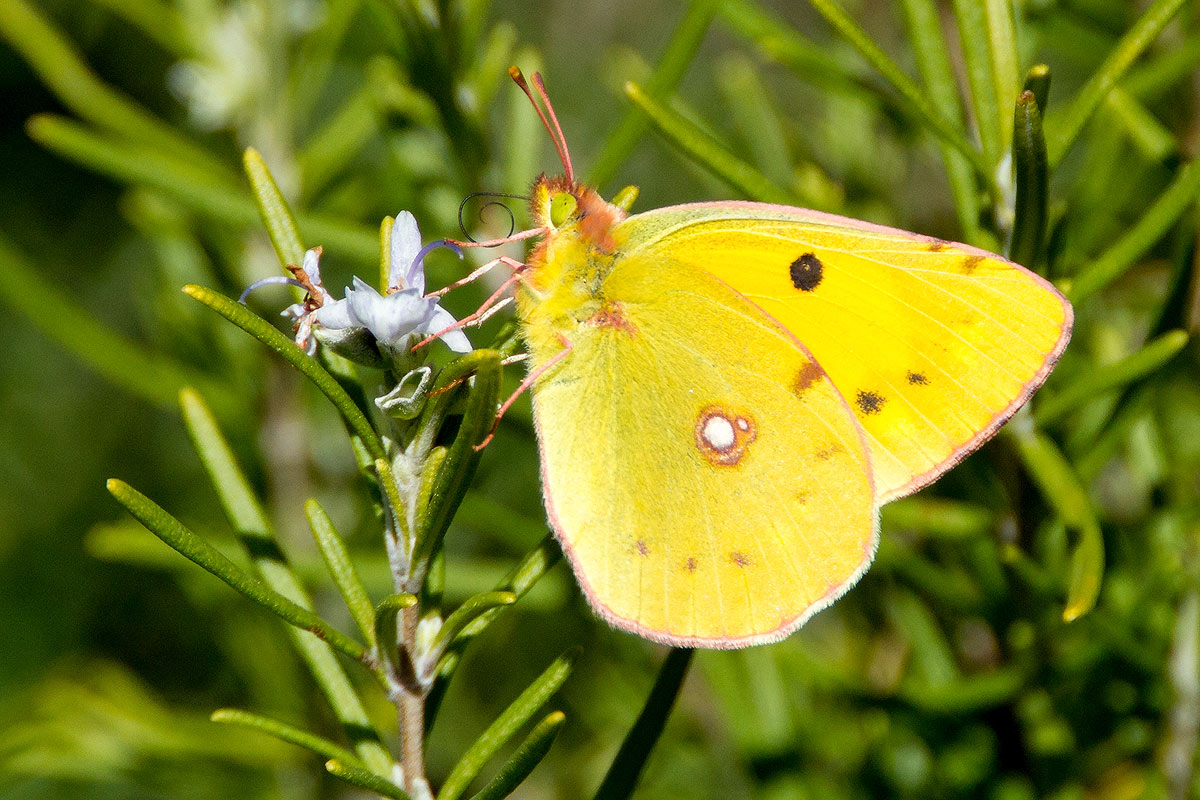
Marble Whites and also there were Small Whites flying around.  Add to that Clouded Yellow Painted Lady, Spanish Gatekeeper,
Before all of those, we watched and photographed several Red-underwings.


We will do this again next month and see how it compares.  It means we have to get out early.


Saturday, June 16, 2018

Its getting hot but plenty to see !


Lucky for me my friend Trevor turn up, so I've had a few days Bonus Birding,
Day 1 Bonete.

Essential early start leaving Gran Alacant at 6.15  arriving  Bonete 8.15  chilly at only 12 degrees, with clear sky's,  first stop and a quick scan/stretch of the legs and a cup of tea while scanning a Great Bustard flew over, so pressures off, having missed them last time.  Also, some Gull-billed Tern.  Rock Sparrows at Chinchilla a  guaranteed place to see them.  On  one of the pools on route to Coral Rubio, had Gadwall,  Shovelers,  Red-crested Pochard.

                                     Rock Sparrow                       

                                                     At Coral Rubio                                                        Black-necked Grebe  Little-ringed Plover,  A male Marsh Harriers,  Lapwings, good number of  Great Bustard around the lakes, but only at first light. We heard a Quail there.  We decided to detour to  Montealegre del Castillo as there are a few nice lakes to check out.  Along with this roadside a fantastic carpets of wildflowers along the roadside.


 At the lakes lots of White-headed Duck,  Great Reed Warbler,  Pochard,  Little Grebe,  Black-necked Grebe,  Greater Flamingos,  Buzzard over. And across the plains  Corn Bunting,  Calandra Lark,  Bee-eaters,  Great Bustards,  Hoopoe's,  Thekla's Lark, Yellow Wagtails,  lots of Gull-billed Terns  and Stone Curlew,

Yellow Wagtail

Arriving at Petrola
Tree Sparrow,  Yellow Wagtails,  Redshank,  Kentish Plover,  Little Ringed Plover, Black-winged Stilt,  Avocet,  Black-headed Gull,  a few Male Marsh Harriers.

Tree Sparrow

Avocet

Little Ringed  Plover

Redshank
Heading off to Higueruela across the Plains,  all very quiet and was to be expected as the heat was starting rise.  The plan was to have lunch in the shade and look for Golden Oriole.  They didn't disappoint another good show of the bright yellow and black passerine songbird.

 Bonnell's Warbler

 Mistle Thrush,  Bonnell's Warbler,   Chaffinch also there, Time to head for home but not before a  4  Ibex ran through the Cornfields / Wheatfield's and onto the main road I have no idea what these mammals are doing here. I've been in this area hundred's of times and never seen these before and never heard any reports of them. Could be an interesting find for this his area?

 Ibex
  A Golden Eagle drifted across.  Crazy end to the day.
Species total for the day 60

Day 2
Only extended morning birding today so an early start at 6.30 and look for the Rufous Bush Robin at The Carabassi site.  This historical site has been the best place to see the Robin, but not today, only a few pairs of  Spotted Flycatcher there.


 On to the
 Santa Pola Salinas,

  Little Tern

  Little Tern,  Slender-billed Gull,  Little Bitten,  Red-rumped Swallow, Lots of Pallid Swift,  House Martins,  Fan-tailed Warbler,  good numbers of Great-crested Grebe, Yellow Wagtails,  lots of  Collared Pratincole. 

 At El Pinet 
Surprise bird of the day a Turtle Dove, which was perched in the pine tree next to the car park.  The Common Tern colony is thriving with many chicks already fledged, Sandwich Tern and Little Tern in good numbers. The tracks at the back of La Marine only produced Bee-eaters and a few little Owls.  No sign of the Rollers there. As the birding was flat to cut our  losses and head off to Yecla.

  On route a flooded field with lots of Mediterranean Gulls,  Glossy Ibis, and Cattle Egrets, and  Squacco Heron.  A Roller flew and landed in a palm tree in front of us.

 Mediterranean Gulls

 Cattle Egrets

 Squacco Heron

Yecla
Arriving at the Claudette end. The Rock Sparrow colony is doing well with plenty of burrows occupied,

  Rock Sparrow

 Woodchat Shrike on the irrigation sprinklers.  Further down the track, Black-eared Wheatear,  Lesser Kestrel hunting over the fields. Without a doubt, we made the right decision more birds at Yecla and cooler,  Stone Curlews and lots of Calandra Larks and Greater Short-toed Lark.

Greater Short-toed Lark

 more surprises in store a Spectacled Warbler showed well in some scrubland.

 Spectacled Warbler

 Trevor picks out a Golden Eagle. We went to the  Pin-tailed Grouse fields and sure enough, they were there, 6 bird in total.

  Pin-tailed Grouse

 A few Chough flying around, and  Golden Orioles calling.  We end our day with a Black Wheatear.
All in All a packed birding morning.
Species total 92
 it's getting hot but still, plenty to see!
Big thanks to Trevor.
😁

Wednesday, June 06, 2018

Yecla

You may have been enjoying the sunshine on the coast of Costa Blanca, but here at Yecla less than an hour from the coast was a very cool 9 degrees with light rain on and off during the day with almost 70 percent cloud cover, with a few brighter moments, lots of puddles and some much bigger,  I've never seen so much water at Yecla, which just goes to prove how much rain there's been this Spring. 
 We had already decided to have changed from the usual route and start from the Yecla end, hoping that the early start might produce a few Sandgrouse.
On route a some Rock Sparrow, Corn Buntings.  Linnets and Goldfinch in good numbers,  the odd Greenfinch, and Iberian Woodpecker also seen.  I thought I spotted a Harrier but lost it before I got out the car, but a few seconds later a Booted  Eagle drifted past.
We went to look for the bee-eater colonial which has been fantastic in previous years but its non-existent and abandoned this year.
 We entered the best area for Larks and Sandgrouse, Greater Short-toed Lark, Calandra Lark, Lesser Short-toed Lark, Crested and Thekla's Lark were all there.

Short-toed Lark
 Well camouflaged and flighty it was difficult to get a good photo.

Calandra Lark


 We heard Sandgrouse, a few times, but in the end, we got treated to a very close flypast of Pin-tailed Sandgrouse, these birds seem to be very faithful to a few fields which they do return to, it's worth double checking the field as not all the bird will take flight.  A little further on we came across a pale morph  Short-toed Eagle perched in an almond tree, which had me scratching my head for a few moments. Lesser Kestrel in the fields and hunting overhead. A  bit further on little owls, Hoopoes, 2 or 3. Black-eared Wheatears, Chough, and a pair of Woodchat Shrike.

Black-eared Wheatear

Woodchat Shrike


 A nice morning out but a little disappointing there wasn't few more birds.  Spain is such s beautiful place and there's much to be enjoyed, 
it's a great time to be out.
Enjoy the photos
Cheers Bryan